How it goes
You don’t have to know what to say yet.
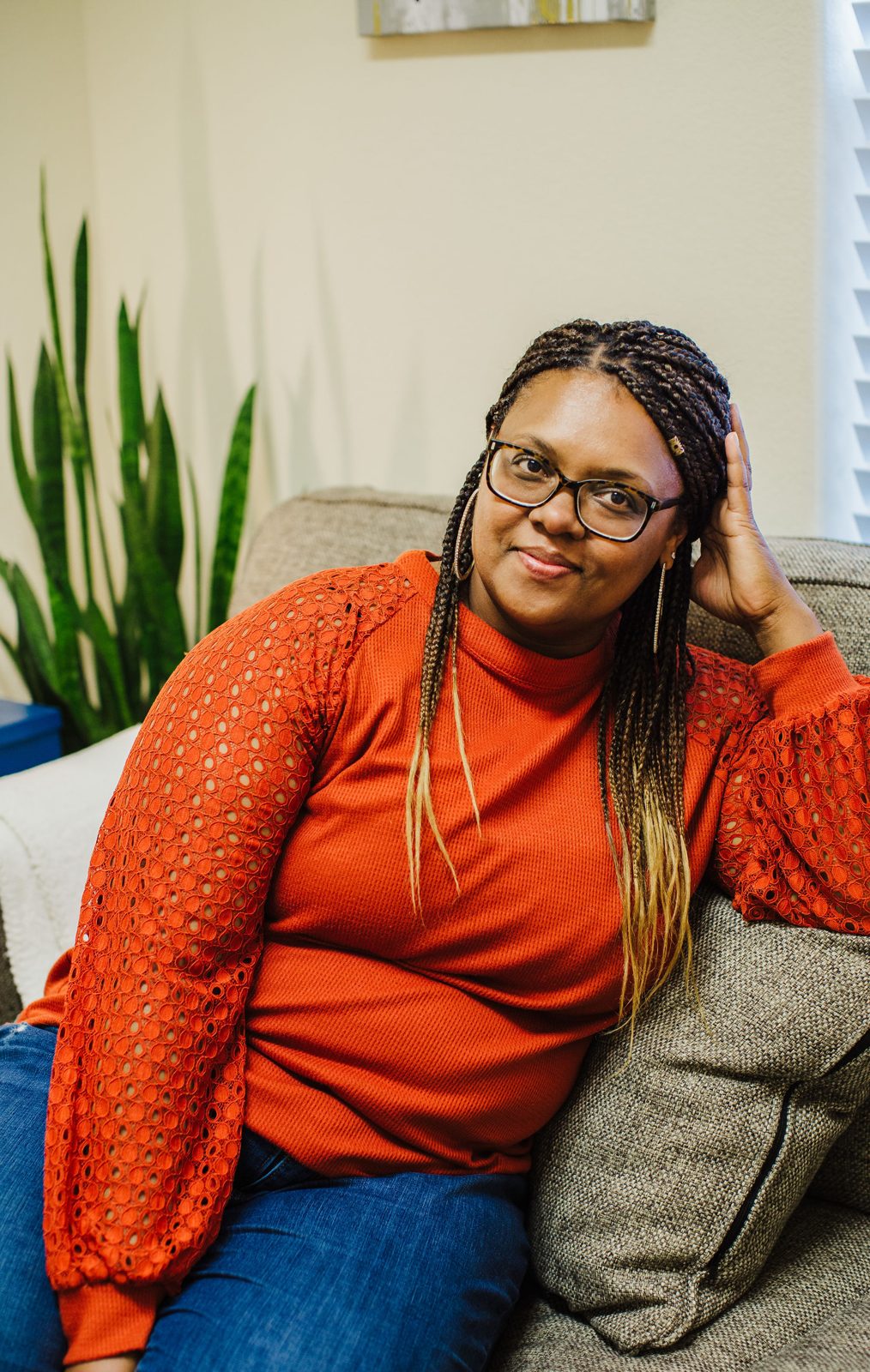
That part comes later, and it’s half my job anyway. Here’s what happens, in the order it happens, so you know what you’re walking into before you decide anything.
The way in
There are three ways to start, and you pick. You can request a time on my scheduling page, which is the button at the top of every page, or you can call me first, for free, and ask what a session is actually like, or you can write me a few lines.
Either way I’ll ask what’s going on, you’ll ask whatever you want to ask, and then you think it over for as long as you need. If it doesn’t feel right, you don’t go, and you’ve lost nothing.
The first session
A session is about 50 minutes, in my office in Cedar Park or online anywhere in Texas. The first one is really a two-way interview: you ask me questions, I ask you some, and you notice how it feels to sit across from me, which tells you more than any website can.
Will I make you talk about the thing? No. What we talk about is up to you, and so is when you’re ready to go there.
What we actually do
We slow down first, because at the speed you’ve been moving you can’t hear yourself think, let alone feel. Then we look at where all of this came from: the rules you learned early about being the easy one, the helpful one, the one who never needs anything, and what keeping them has cost you. Those rules are your operating manual, so I’ll ask: “What if we updated that operating manual to 2.0? What might be different?” We work on boundaries, the kind you can actually hold without drowning in guilt afterward.
Somewhere in there you start building a life that feels like yours, and less like a job you never applied for. Simple idea, not an easy one. It takes showing up on the weeks you’d rather not, and it’s the two of us in a room doing that. And more than once you’ll hear me say “Let’s roll with that...” or ask you “What would you like to be able to do, say or think about...”
What I’m trained in: anxiety, trauma and EMDR
Most of the women who come to me are carrying anxiety of one kind or another. The kind that hums all day, the panic that shows up out of nowhere, the kind that follows a big change, or the obsessive kind, where a thought won’t leave you alone. If you want the names, they’re generalized anxiety, panic attacks and panic disorder, adjustment disorder, and OCD tendencies.
Underneath it, for a lot of you, is something that happened to you: trauma. Maybe it was sexual trauma, or domestic abuse. Maybe it’s generational, what came down through your family. Maybe it’s racial, what you’ve carried because of your race, or relational, a relationship that slowly kept you small.
A lot of the control you’ve had to keep over everything started there, as the only way to stay safe. That was never a flaw. It made sense.
I’m trained in EMDR, a way of working through a memory that still has a grip on you without having to tell the whole story out loud.
I’m eclectic in the room, which means I don’t run you through one program. Depending on what’s in front of us that week, I draw on person-centered work, mindfulness, CBT, or skills from DBT.
Nearly all of it goes through a trauma-informed and culturally sensitive lens: what happened to you, and the world you’ve had to live it in, are part of the work. None of that changes what it feels like to sit with me. It’s still two people talking.
Two things to know
The first is what I’m not. I’m not a quick fix, and I’m not going to tell you to be stronger, because stronger was never the problem.
The second is that humor is part of how I work, and if that isn’t your thing, I’d rather you know now than find out in the room.